Get Shrub Pruning
Shrub pruning services help property owners maintain healthy, attractive shrubs by removing dead or overgrown branches and shaping plants for safety and aesthetic appeal.
If property owners are considering shrub pruning services, they are likely seeking practical solutions to maintain the health and appearance of their landscapes. Proper pruning can improve plant vitality, promote balanced growth, and enhance curb appeal. Whether preparing for seasonal changes or addressing overgrowth, exploring options for local contractors ensures that the work aligns with specific property needs and aesthetic goals. Continuing to read can help identify experienced service providers in the area who are equipped to handle these tasks efficiently.
Comparing local contractors for shrub pruning allows property owners to find the right fit for their landscape projects. Engaging with nearby professionals provides opportunities to discuss different approaches and techniques suited to various shrub types and landscape designs. By exploring available options, property owners can make informed decisions about how best to care for their greenery, ensuring the health and beauty of their outdoor spaces are maintained over time.
- Overgrown Shrubs - homeowners may need shrub pruning to restore shape and health after neglect.
- Storm Damage - damaged or fallen branches from storms often require professional pruning for safety and recovery.
- Landscape Maintenance - regular shrub trimming is part of maintaining a tidy and attractive yard.
- Disease or Pest Infestation - local contractors can prune affected areas to prevent the spread of pests or disease.
- Seasonal Pruning - seasonal trimming helps promote healthy growth and flowering for flowering shrubs.
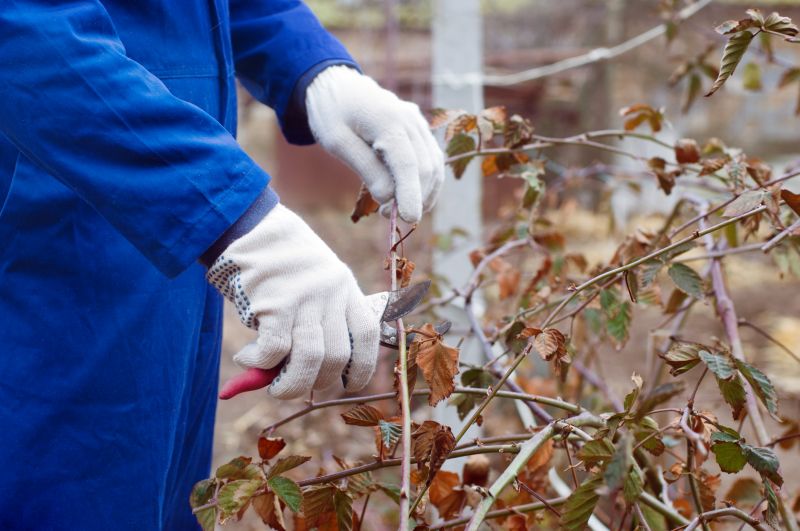
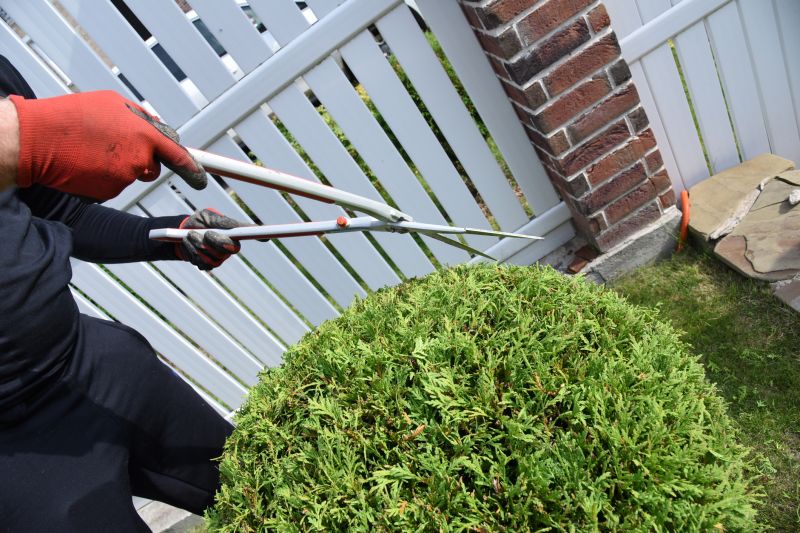

Shrub pruning services involve carefully trimming and shaping bushes and shrubs to promote healthy growth and improve their appearance. This process typically includes removing dead or diseased branches, thinning out overgrown areas, and shaping the plants to fit the desired aesthetic. Proper pruning encourages better air circulation, reduces the risk of pests and diseases, and helps maintain the overall health of the plants. Professional contractors use the appropriate tools and techniques to ensure that shrubs are pruned correctly, preventing damage and supporting their long-term vitality.
Many common problems can be addressed through shrub pruning. Overgrown shrubs can become unruly, blocking pathways, driveways, or windows, and detracting from curb appeal. Dead or diseased branches can weaken the plant and pose a risk of spreading decay or pests. Additionally, poorly shaped or neglected shrubs can become invasive or out of proportion with the property’s landscape. Regular pruning helps solve these issues by maintaining a balanced, attractive appearance, and by preventing potential health problems that could lead to the decline or removal of the plants.
Shrub pruning services are often needed on residential properties, including front yards, backyards, and gardens. They are also valuable for commercial properties such as office complexes, retail centers, and parks that want to maintain a tidy and inviting landscape. Homeowners typically seek pruning to enhance curb appeal and protect their investment, while property managers and landscapers rely on these services to keep large or complex shrub arrangements well-maintained. Regardless of the property type, professional pruning ensures that shrubs remain healthy, safe, and visually appealing.
Homeowners may notice the need for shrub pruning when plants become overgrown, lose their shape, or show signs of disease or damage. If shrubs are blocking views, interfering with walkways, or growing too close to structures, pruning can restore their proper form and function. Additionally, regular pruning can prevent future problems by removing problematic branches early. When shrubs look unkempt or are growing unevenly, scheduling pruning services can help keep the landscape looking neat and well cared for. Local contractors are available to provide expert assistance tailored to the specific needs of each property.
The overview below groups typical Shrub Pruning projects into broad ranges so you can see how smaller, mid-sized, and larger jobs often compare in your area.
In many markets, a large share of routine jobs stays in the lower and middle ranges, while only a smaller percentage of projects moves into the highest bands when the work is more complex or site conditions are harder than average.
Smaller Shrub Pruning - Typical costs for routine shrub trimming and shaping usually range from $50 to $150 for many smaller jobs. Most projects in this category are straightforward and fall within this middle range. Fewer jobs will reach the higher end of $200 or more, which often involve larger or more complex shrubs.
Medium-Size Shrub Pruning - For larger shrubs or multiple plants, costs generally fall between $150 and $350. Many local contractors handle these projects within this range, with some larger or more detailed jobs reaching up to $500. These projects often involve more extensive shaping or health maintenance.
Heavy or Overgrown Shrub Pruning - Larger, overgrown, or heavily neglected shrubs typically cost between $350 and $800. Such projects require more time and effort, with some complex cases exceeding $1,000. These are less common but necessary for significant overgrowth or safety concerns.
Full Shrub Replacement or Large-Scale Projects - Complete removal and replacement of multiple large shrubs can cost from $1,000 to $5,000 or more, depending on the number and size of plants involved. These are typically larger projects that involve significant planning and labor, with many projects falling into the mid to upper end of this range.
Actual totals will depend on details like access to the work area, the scope of the project, and the materials selected, so use these as general starting points rather than exact figures.
Tree Trimming and Shaping - professionals who specialize in trimming trees often have skills similar to shrub pruning, including the use of pruning tools and knowledge of plant growth habits.
Hedge Trimming and Maintenance - local contractors experienced in hedge trimming utilize comparable techniques and tools as shrub pruning services to maintain neat, healthy hedges.
Landscape Bed Pruning - pruning ornamental plants and flowers in landscape beds requires planning and tool use similar to shrub pruning to promote healthy growth and aesthetics.
Garden Cleanup and Debris Removal - clearing away cut branches and plant debris involves planning and physical work akin to shrub pruning projects.
Tree and Shrub Planting - planting new shrubs and trees involves site assessment and planning skills that complement pruning services for healthy growth.
Fruit Tree Pruning - specialized pruning of fruit trees shares techniques and planning considerations with shrub pruning to optimize fruit production.
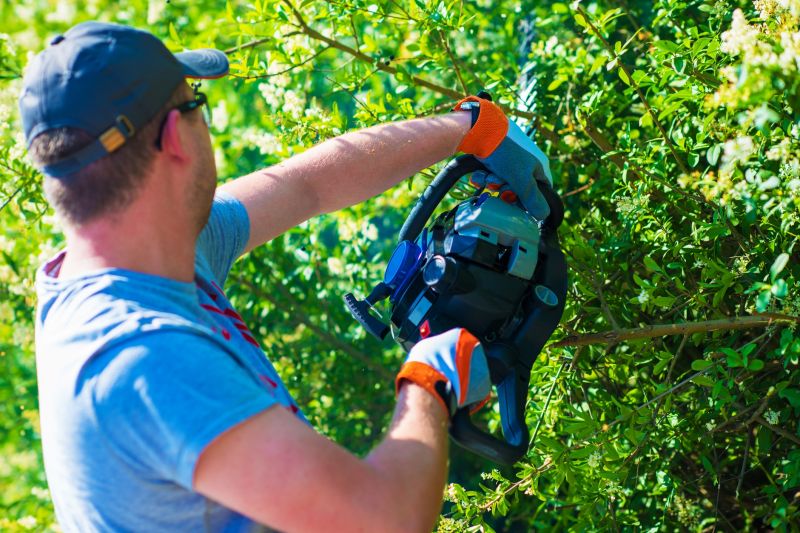
When comparing service providers for shrub pruning, it’s important to consider their experience with similar projects. Homeowners should look for local contractors who have a proven track record of handling shrub pruning tasks comparable in scope and complexity. An experienced professional is more likely to understand the specific needs of different shrub varieties and the best techniques to promote healthy growth and aesthetic appeal. Gathering information about their past work or asking for examples of completed projects can provide insight into their familiarity with the type of pruning required.
Clear, written expectations are essential when evaluating local pros for shrub pruning services. Homeowners should seek providers who can deliver detailed descriptions of their services, including the scope of work, methods used, and any necessary preparations or follow-up. Having this information in writing helps ensure everyone is aligned on the project’s goals and reduces the potential for misunderstandings. Clear expectations also make it easier to compare different contractors and determine which one offers the level of professionalism and transparency desired.
Reputable references and good communication are key factors to consider when choosing local service providers. Homeowners can ask potential contractors for references from previous clients who had similar shrub pruning work done. Speaking with past customers can reveal insights about the contractor’s reliability, quality of work, and professionalism. Additionally, responsive and clear communication during the initial contact phase indicates a contractor’s ability to keep clients informed and address questions or concerns promptly. These qualities contribute to a smoother experience and help ensure the shrub pruning project is completed to satisfaction.
Property owners use Shrub Pruning services for practical projects around their homes and businesses. This guide focuses on everyday jobs and straightforward project options.
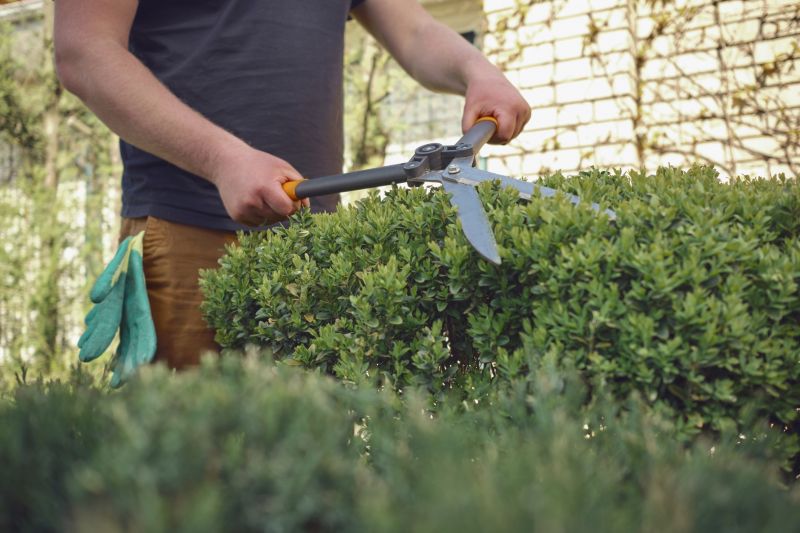
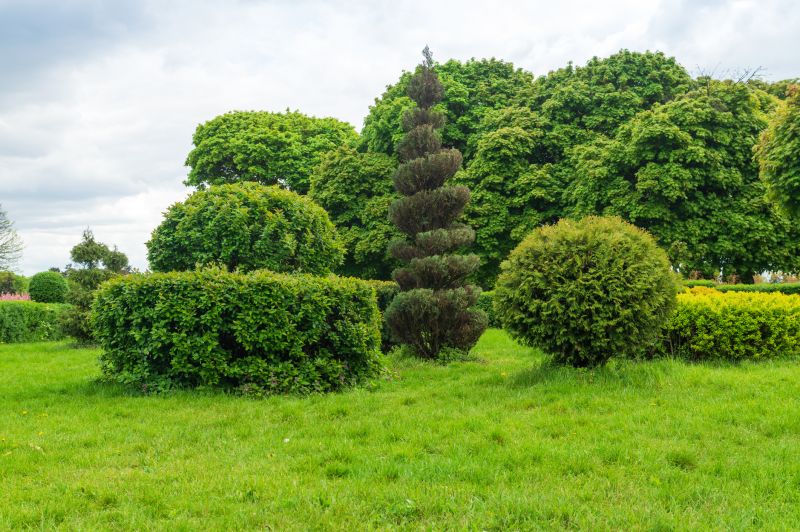
Shrub pruning is a common maintenance task for property owners looking to keep their landscapes neat and healthy. Local contractors often handle routine trimming to shape shrubs, remove dead or overgrown branches, and promote better growth. Homeowners may seek these services to improve curb appeal, prevent branches from interfering with structures or walkways, or simply maintain the overall appearance of their yards.
In addition to aesthetic reasons, shrub pruning can be important for safety and plant health. Property owners might contact local service providers to reduce the risk of branches falling or causing damage, or to encourage shrubs to grow in a desired direction. Whether preparing for seasonal changes or addressing overgrowth, many turn to local contractors for professional pruning solutions tailored to their specific landscape needs.
Why is shrub pruning important? Shrub pruning helps maintain the health, appearance, and growth of plants by removing dead or overgrown branches, encouraging new growth, and preventing disease.
When is the best time to prune shrubs? The ideal time to prune shrubs varies by species, but generally, late winter or early spring is suitable for many types before new growth begins.
What tools are typically used for shrub pruning? Common tools include pruning shears, loppers, and saws, which help shape the shrub and remove unwanted or damaged branches effectively.
Can shrub pruning help control plant size? Yes, strategic pruning can manage and reduce the size of shrubs, promoting a more desirable shape and preventing overgrowth.
How do local contractors determine the right pruning approach? They assess the shrub’s species, age, and health to decide on the appropriate pruning techniques that promote optimal growth and appearance.
Improve Tree Health - Regular shrub pruning helps maintain the overall health and vitality of plants in the landscape. Local contractors can remove dead or diseased branches to promote stronger growth.
Enhance Curb Appeal - Proper pruning shapes shrubs and bushes to create a neat, attractive appearance for the property. Service providers can help achieve a well-maintained look.
Increase Safety - Trimming overgrown or low-hanging branches reduces the risk of accidents or damage to property during storms or high winds. Local pros can safely handle the job.
Create Privacy and Shade - Strategic pruning can improve privacy screens and provide better shade around patios or walkways. Local contractors can help design and maintain these features.
If you are thinking about Shrub Pruning for a property, this guide is meant to help you understand the work, the typical project types, and how different options might fit your plans.
When you are ready, you can use the quote form on this page to share a few details about your project. From there, local pros can review the basics and respond with options that match what you have in mind.