Deadwood Removal in Doylestown, PA
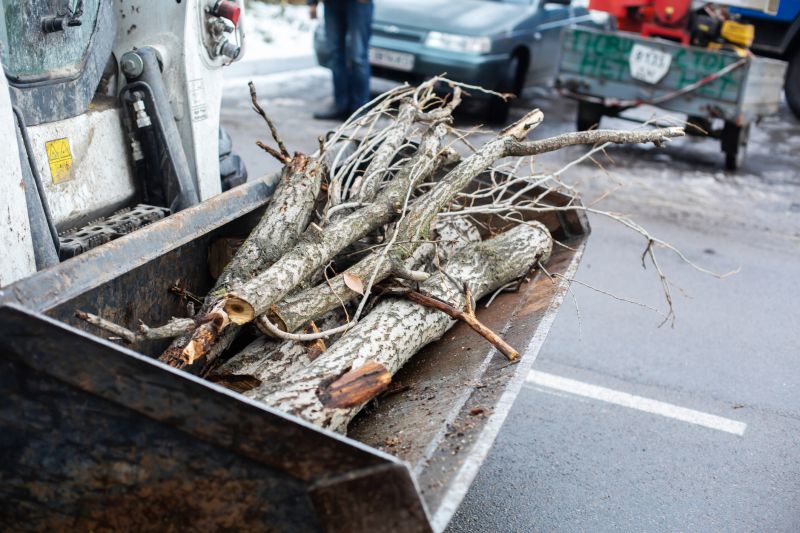
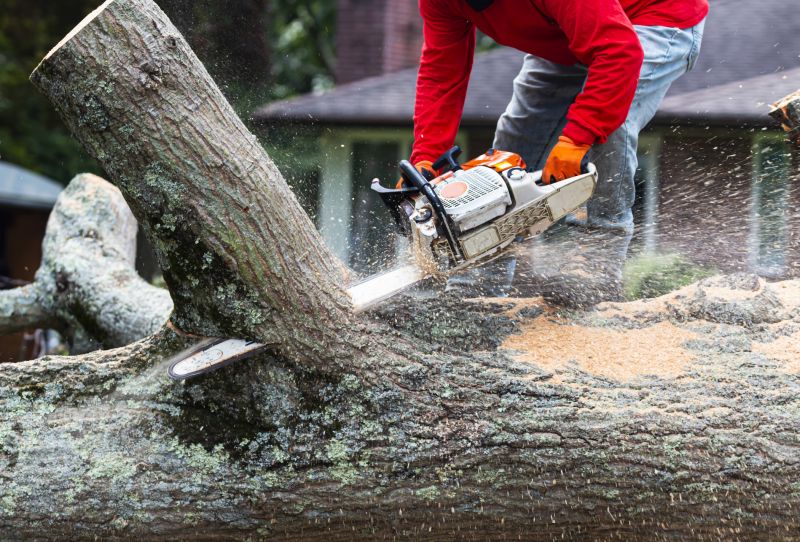
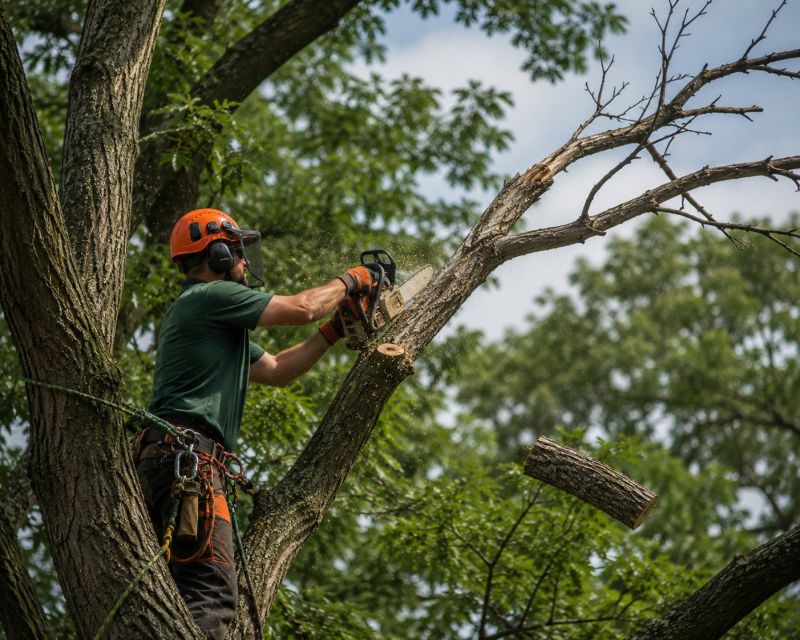
Deadwood removal services focus on safely and efficiently removing dead or hazardous trees and branches from residential properties. This service covers a variety of projects, including removing fallen trees after storms, pruning or trimming dead limbs to prevent damage, and clearing out overgrown or decayed trees that pose safety risks. Property owners typically seek deadwood removal to improve the safety and appearance of their landscape, reduce the risk of property damage, and maintain healthy, thriving trees.
Before requesting deadwood removal, homeowners should consider the extent of the work needed, such as whether only specific branches or entire trees require removal. It’s also helpful to understand the condition of the trees involved and any potential impact on nearby structures or utilities. Proper assessment ensures that the right approach is taken to enhance safety, preserve the landscape, and prevent future hazards related to dead or decaying wood.
Many property owners in Doylestown, PA look into Deadwood Removal for repairs, replacements, upgrades, and appearance-related improvements.
Types Of Deadwood Removed
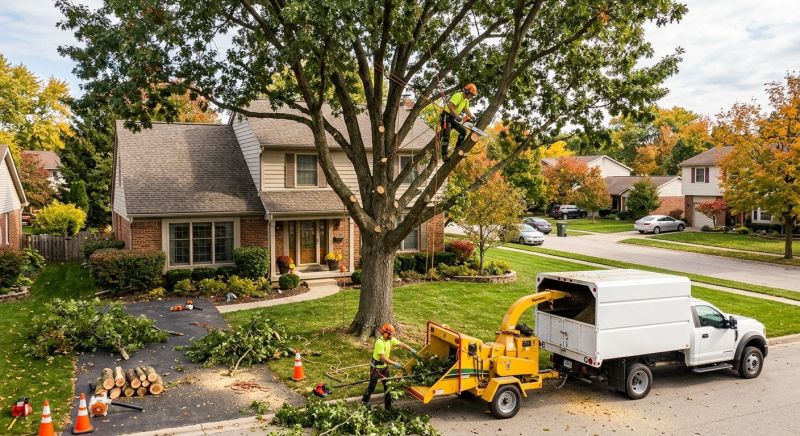
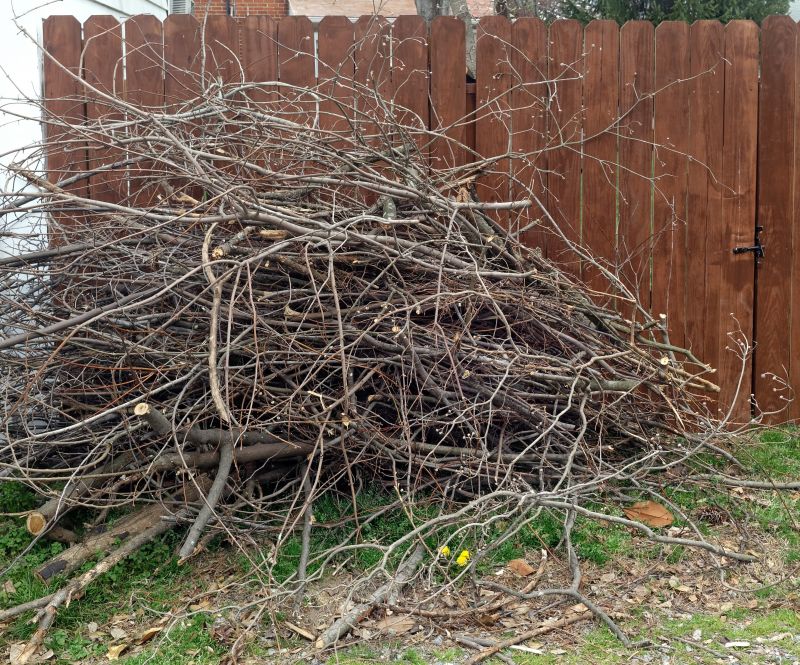
Dead trees, broken branches, and hazardous limbs are often addressed in deadwood removal services.
Safety And Property Protection
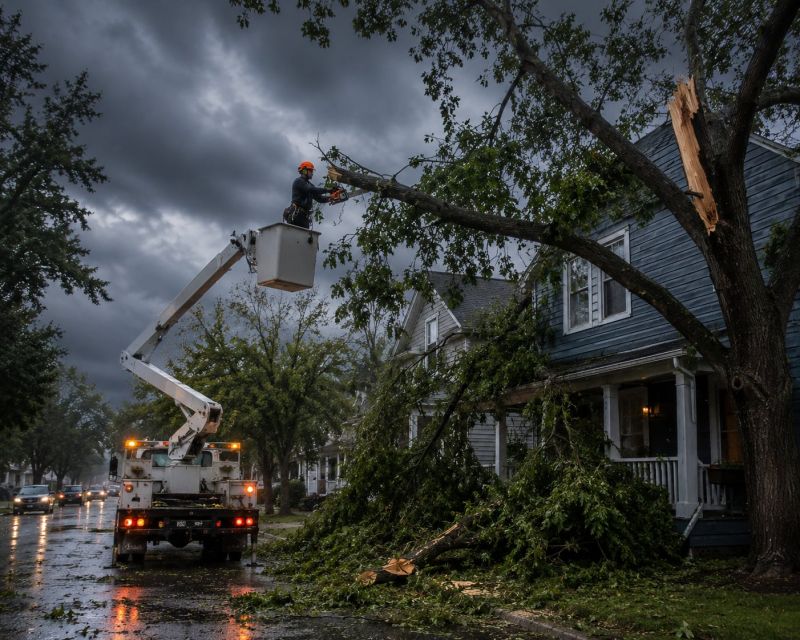
Removing deadwood helps prevent potential damage to structures and reduces safety risks on the property.
Maintenance And Landscaping
Deadwood removal can improve the health and appearance of trees and enhance overall landscape safety.
Deadwood Removal in Doylestown, PA
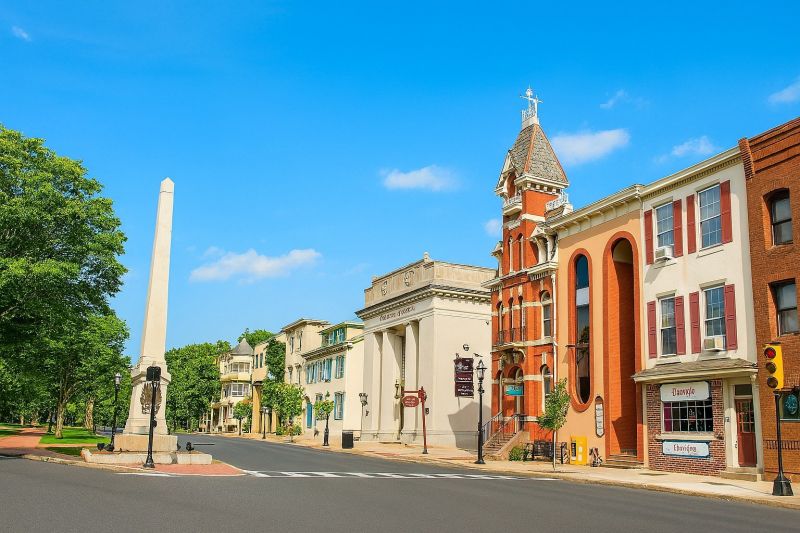
Deadwood removal services focus on safely and efficiently removing dead or hazardous trees and branches from residential properties. This service covers a variety of projects, including removing fallen trees after storms, pruning or trimming dead limbs to prevent damage, and clearing out overgrown or decayed trees that pose safety risks. Property owners typically seek deadwood removal to improve the safety and appearance of their landscape, reduce the risk of property damage, and maintain healthy, thriving trees.
Before requesting deadwood removal, homeowners should consider the extent of the work needed, such as whether only specific branches or entire trees require removal. It’s also helpful to understand the condition of the trees involved and any potential impact on nearby structures or utilities. Proper assessment ensures that the right approach is taken to enhance safety, preserve the landscape, and prevent future hazards related to dead or decaying wood.
Many property owners in Doylestown, PA look into Deadwood Removal for repairs, replacements, upgrades, and appearance-related improvements.
Common Deadwood Removal Jobs
Deadwood Removal - Clearing dead or diseased trees to improve property safety and appearance.
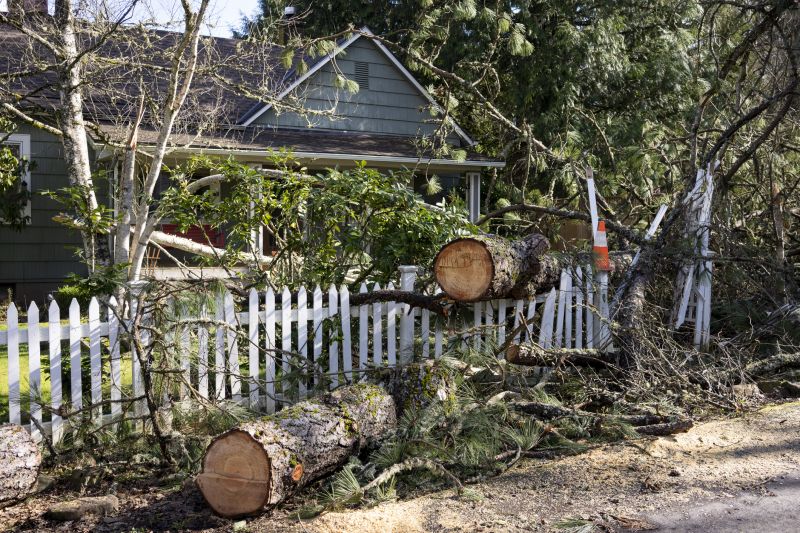
Storm Damage Cleanup - Removing fallen branches and trees after storms to prevent further hazards.
Overgrown Tree Clearing - Trimming or removing overgrown trees to allow better sunlight and airflow.
Hazard Tree Removal - Identifying and removing trees at risk of falling to protect structures and people.
Tree Trimming and Pruning - Cutting back dead or damaged branches to promote healthy growth.
Land Clearing - Removing unwanted trees and brush to prepare land for development or landscaping.
Deadwood Removal Questions
What types of trees can be removed? Deadwood removal services typically handle a variety of tree species, focusing on removing unhealthy or hazardous branches from mature trees.
Why is deadwood removal important? Removing dead or dying branches helps prevent potential damage to property and reduces the risk of falling debris.
Is deadwood removal suitable for all trees? It is generally suitable for most trees, especially those with overgrown or hazardous branches that pose safety concerns.
What are common reasons for requesting deadwood removal? Property owners often request removal for safety, tree health, or to improve the appearance of the landscape.
Request Deadwood Removal in Doylestown, PA
Use the quote form on this page to share the basics of your project and request more information for the type of work you need.