Dead Tree Removal in Allentown, PA
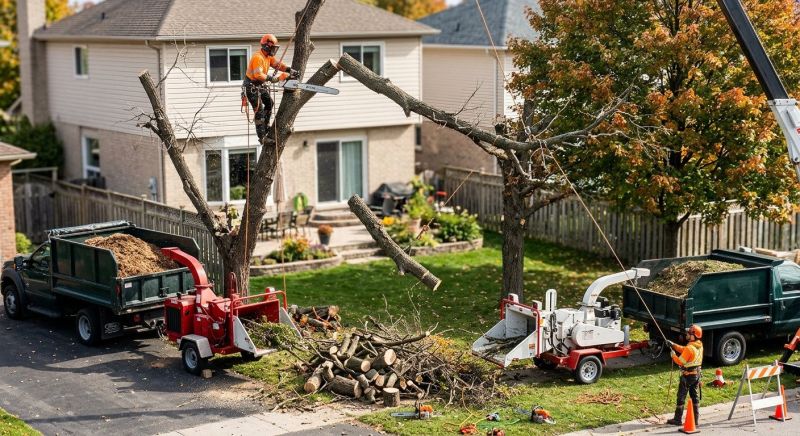
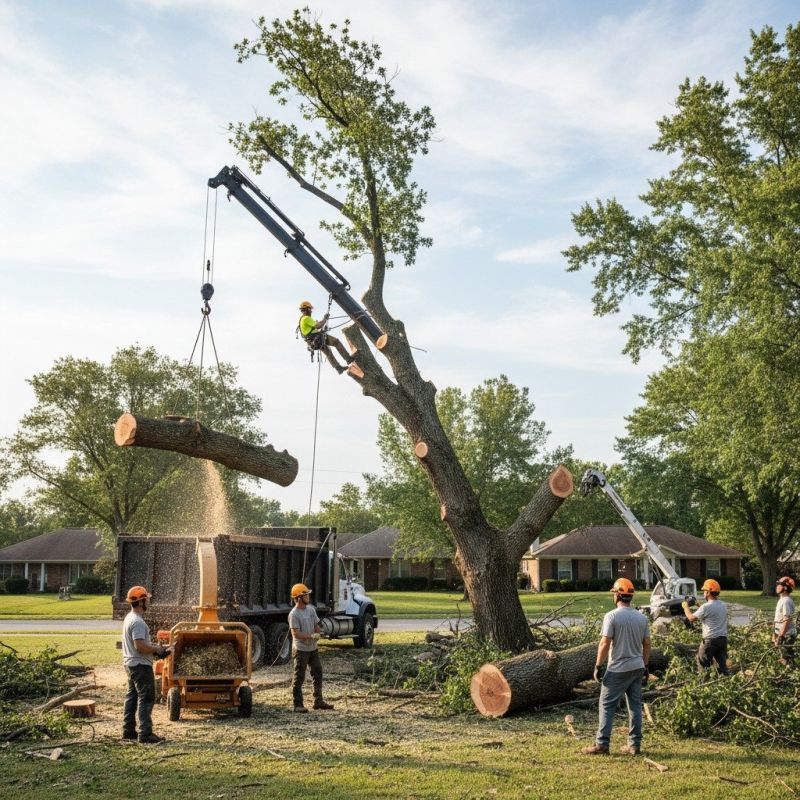
Dead tree removal services involve safely taking down trees that are dead, decaying, or pose a risk to property and safety. These projects typically include removing hazardous trees near homes, driveways, or power lines, as well as clearing trees that have become diseased or are no longer healthy. Property owners often seek this service to prevent potential damage from falling branches or entire trees, to improve the appearance of their landscape, or to prepare for future construction or landscaping projects.
Before requesting dead tree removal, property owners should consider the size and location of the tree, as well as any nearby structures or utilities. It is helpful to understand the extent of the removal process, including whether stump grinding or debris cleanup is included. Clarifying these details can ensure the project meets safety standards and aligns with property maintenance goals. Proper planning can help minimize disruption and ensure the safe, efficient removal of the tree.
Many property owners in Allentown, PA look into Dead Tree Removal for repairs, replacements, upgrades, and appearance-related improvements.
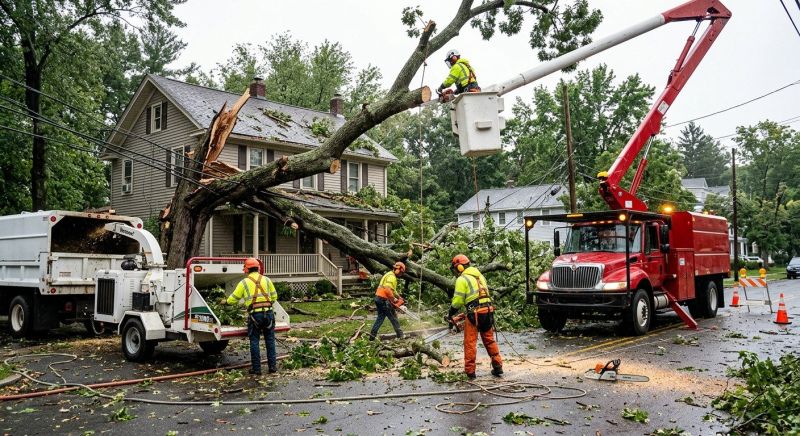
Hazard Prevention
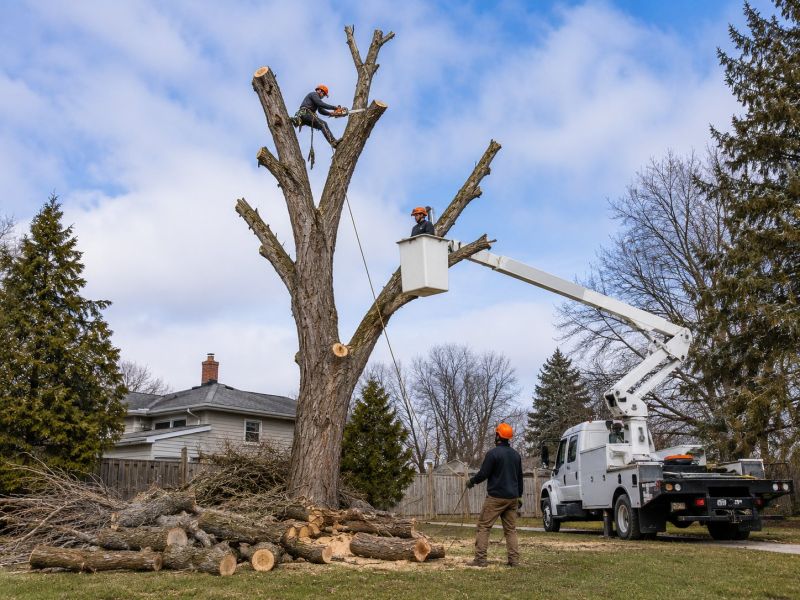
Removing dead trees helps prevent potential damage to property and ensures safety.
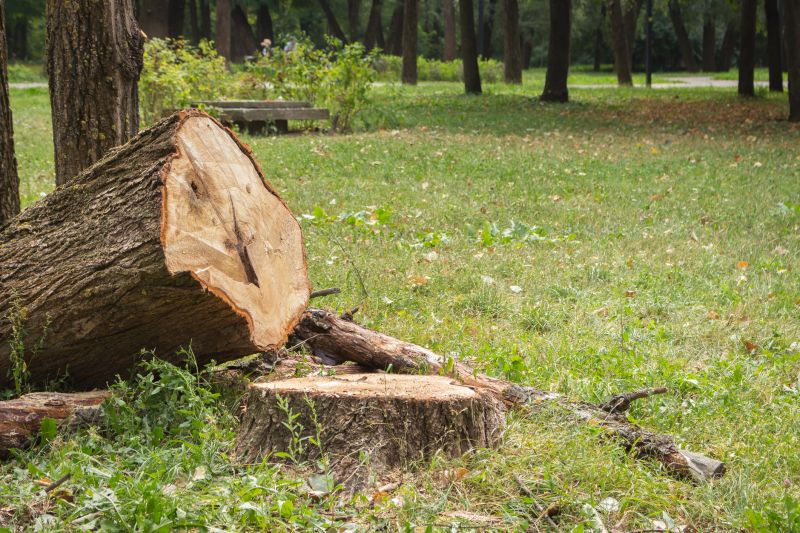
Property Enhancement
Clearing away dead trees can improve the appearance and value of residential and commercial landscapes.
Tree Health Management
Removing problematic dead trees supports the overall health of surrounding trees and vegetation.
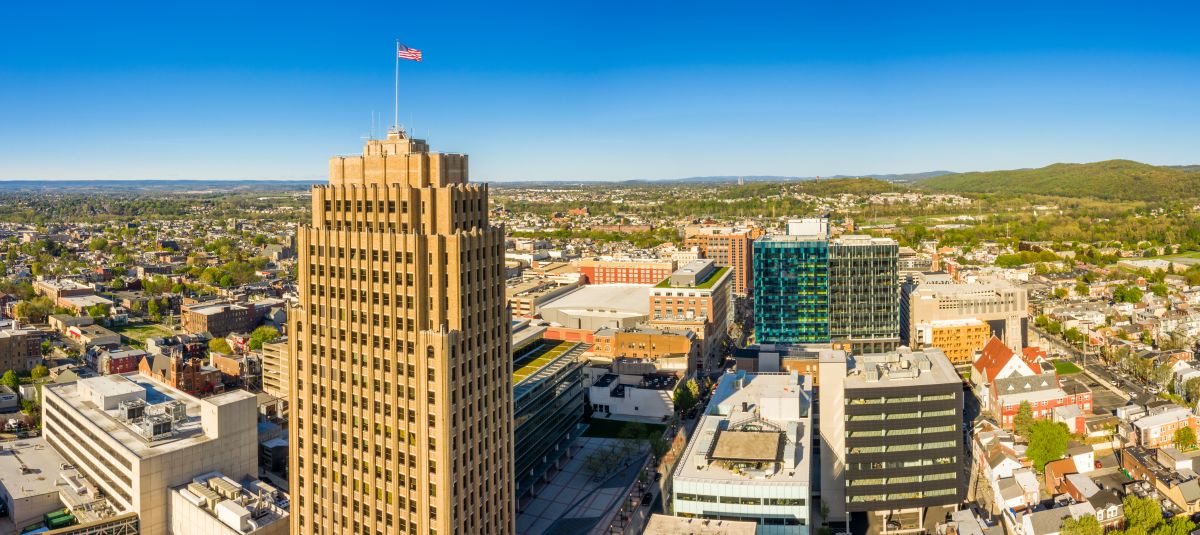
Dead Tree Removal in Allentown, PA
Dead tree removal services involve safely taking down trees that are dead, decaying, or pose a risk to property and safety. These projects typically include removing hazardous trees near homes, driveways, or power lines, as well as clearing trees that have become diseased or are no longer healthy. Property owners often seek this service to prevent potential damage from falling branches or entire trees, to improve the appearance of their landscape, or to prepare for future construction or landscaping projects.
Before requesting dead tree removal, property owners should consider the size and location of the tree, as well as any nearby structures or utilities. It is helpful to understand the extent of the removal process, including whether stump grinding or debris cleanup is included. Clarifying these details can ensure the project meets safety standards and aligns with property maintenance goals. Proper planning can help minimize disruption and ensure the safe, efficient removal of the tree.
Many property owners in Allentown, PA look into Dead Tree Removal for repairs, replacements, upgrades, and appearance-related improvements.
Common Dead Tree Removal Jobs
Dead Tree Removal - Safely eliminates hazardous or unsightly dead trees from residential properties.
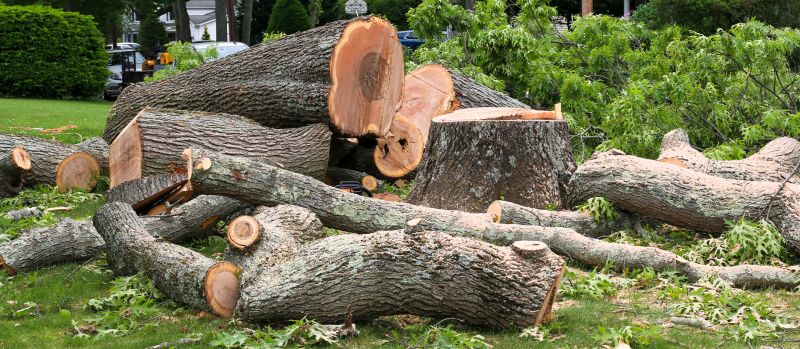
Storm Damage Cleanup - Removes fallen or broken dead trees after severe weather events.
Tree Health Assessment - Identifies trees at risk of dying and recommends removal if necessary.
Property Clearing - Clears dead trees to improve landscape appearance and prevent future damage.
Emergency Tree Removal - Provides quick response for dead trees threatening structures or power lines.
Stump Grinding - Removes remaining stumps after tree removal for a clean landscape.
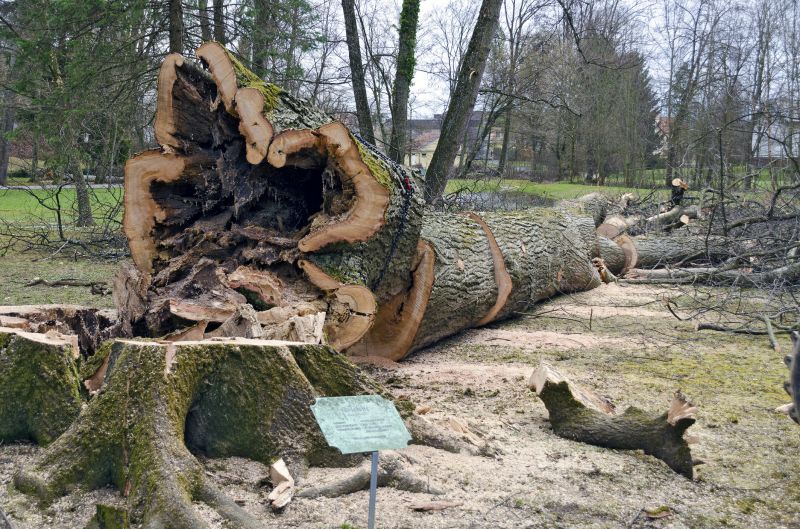
Dead Tree Removal Questions
Why should dead trees be removed? Dead trees can pose safety hazards, damage property, and attract pests. Removal helps prevent potential accidents and property issues.
What types of trees are typically removed? Trees that are dead, dying, or severely damaged are common candidates for removal to maintain safety and property health.
Is dead tree removal necessary near structures? Yes, removing dead trees close to buildings or power lines reduces the risk of falling branches or complete collapse.
What should property owners consider before removal? It's important to assess the tree's location, size, and condition to determine the best approach for safe and effective removal.
Request Dead Tree Removal in Allentown, PA
Use the quote form on this page to share the basics of your project and request more information for the type of work you need.